Morgan Hill Jeep - Is the Jeep® Wrangler More Customizable Than the Toyota 4Runner for San Jose, CA Adventure Drivers?
For many shoppers comparing the Jeep® Wrangler and Toyota 4Runner, one question comes up early: which SUV is more customizable for real life? The short answer is that the Jeep® Wrangler gives drivers a deeper and more authentic range of customization, especially for open-air driving, trail hardware, exterior personality, and accessory planning. The Toyota 4Runner is a highly capable SUV with a strong trim structure, available TRD models, available Trailhunter equipment, and modern features such as Toyota Safety Sense™ 3.0, Multi-Terrain Select, Crawl Control, and available Multi-Terrain Monitor. However, the Wrangler is built around personal expression in a way that is difficult for any conventional SUV to duplicate.
That difference matters around San Jose, CA because many drivers want one vehicle that can handle weekday commuting, parking garages, foothill routes, trail access roads, and weekend travel without feeling generic. The Wrangler is not just offered in different trims; it can change its driving feel and outdoor character with removable doors, removable roof systems, available tube doors, available Mopar® accessories, and specialized off-road hardware. Morgan Hill Chrysler Dodge Jeep Ram helps shoppers think through those choices in a practical way, from selecting the right 2-door or 4-door configuration to choosing a top system, tire package, and 4x4 setup that fits daily routines and weekend plans.
What Customization Means in This Comparison
Customization is more than choosing a color or adding accessories after purchase. A truly customizable SUV should offer meaningful choices that affect how the vehicle looks, drives, stores gear, handles terrain, and supports the owner’s lifestyle. The Toyota 4Runner offers a broad lineup with trims such as SR5, TRD Sport, TRD Off-Road, Limited, TRD Pro, Trailhunter, Platinum, and i-FORCE MAX variants. That gives shoppers multiple personalities to choose from, including family utility, off-road capability, and overlanding style. Still, once a 4Runner configuration is selected, the core body experience remains relatively fixed.
The Jeep® Wrangler is different because its design invites ongoing change. Drivers can select a 2-door model for a more compact, nimble feel or a 4-door model for added passenger and cargo flexibility. From there, available top choices can transform the experience: Black Freedom Top® Three-Piece Hardtop, Body-Color Removable Freedom Top® Three-Piece Hardtop, Premium Black Sunrider® Soft Top, Black Sunrider® for Hardtop, and available Sky One-Touch® Power Top. The enhanced quick-release door hinge system also makes door removal easier, giving Wrangler owners a level of open-air freedom that the 4Runner does not offer.
Why Wrangler Has the Edge for Open-Air Freedom
If the FAQ is really about customization, open-air capability is the most obvious Wrangler advantage. The Toyota 4Runner has a signature power rear window, and that is a useful feature for loading gear or enjoying added airflow. Wrangler goes much further. It is recognized as America’s best-selling open-air vehicle, and the reason is clear: its roof and doors are part of the experience, not just fixed body panels. Drivers can tailor the cabin to the day’s plans, choosing a more enclosed setup for long highway drives or a more open configuration for scenic backroads and approved off-road areas.
For a shopper serving Gilroy, San Jose, and Monterey, this flexibility can make a big difference. Local drives may include freeway stretches, narrow neighborhood roads, vineyard routes, coastal trips, and trail access points. The Wrangler’s top and door options allow the same SUV to feel ready for all of those settings. Toyota 4Runner shoppers can choose rugged trim content and advanced technology, but the vehicle cannot match the Wrangler’s ability to physically open up the driving experience.
Customization That Supports Capability
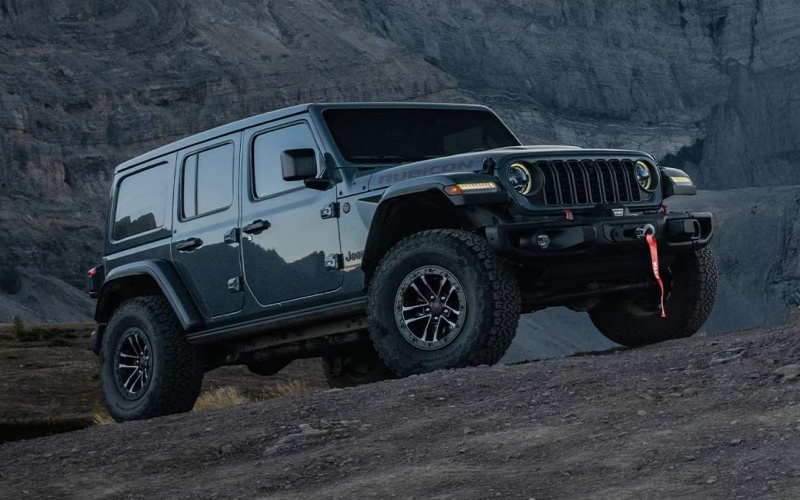
The Wrangler’s customization story is not only about style; it is also about capability. Every Wrangler is Trail Rated®, meaning each model is engineered and tested for traction, water fording, ground clearance, articulation, and maneuverability. That foundation gives drivers confidence before adding available equipment. Rubicon models, for example, can add serious trail hardware such as the Rock-Trac® 4x4 System, available front and rear Tru-Lok® electronic locking differentials, Electronic Sway Bar Disconnect, rock rails, and available winch-capable steel bumpers. An available factory-installed WARN® winch with an 8,000-pound capacity further supports difficult off-road situations when properly used.
The 4Runner is also a legitimate off-road SUV, especially in TRD Off-Road, TRD Pro, and Trailhunter forms. Available features such as Stabilizer Disconnect Mechanism, Bilstein® shocks, FOX® shocks, Old Man Emu equipment, 33-inch all-terrain tires, an onboard air compressor, and pre-wired auxiliary switches help make select 4Runner trims highly capable. The Wrangler advantage is that its architecture and available Mopar® ecosystem feel more purpose-built for ongoing personalization. Owners can build gradually, choosing authentic Jeep® Performance Parts and accessories that fit an evolving trail or lifestyle plan.
Key Wrangler Customization Advantages
- Open-air options: Removable doors, removable roof systems, and available Sky One-Touch® Power Top create a driving experience the 4Runner does not match.
- Trail hardware: Available Rock-Trac® 4x4, Tru-Lok® electronic locking differentials, Electronic Sway Bar Disconnect, and a WARN® winch support serious capability.
- Body choices: 2-door and 4-door configurations let shoppers prioritize maneuverability, passenger space, or cargo flexibility.
- Accessory depth: Authentic Mopar® accessories and Jeep® Performance Parts help owners shape the vehicle after purchase.
- Heritage design: Wrangler’s seven-slot grille, upright stance, exposed utility cues, and Trail Rated® identity make customization feel natural.
How the 4Runner Compares for Practical Utility
The Toyota 4Runner does have advantages for certain shoppers. Available third-row seating, up to seven-passenger capacity on select trims, a power rear window, a hands-free power liftgate on select trims, and up to 90.2 cubic feet of cargo space with all seats folded can be appealing for drivers who prioritize passenger and cargo flexibility. The available i-FORCE MAX Hybrid powertrain also delivers strong output, which may appeal to shoppers who want confident acceleration and towing support. For families who need maximum enclosed cargo space or occasional third-row seating, the 4Runner makes a solid case.
Even with those strengths, the 4Runner’s customization is more trim-based, while Wrangler customization is more experiential. The Wrangler allows the owner to change how the SUV feels from the driver’s seat. That difference is important for buyers who want a vehicle with personality, not just capability. The 4Runner can be equipped for adventure, but the Wrangler feels designed to make adventure part of the everyday routine.
How to Choose the Right Wrangler Setup
Choosing a Wrangler begins with honest priorities. A 2-door model offers classic proportions, easy maneuverability, and a more traditional Wrangler feel. A 4-door model adds rear-seat comfort, cargo flexibility, and a maximum towing capacity of up to 5,000 pounds when properly equipped. Engine choice also matters. The 3.6L Pentastar® V6 engine produces 285 horsepower and 260 pound-feet of torque, while the 2.0L Turbo engine produces 270 horsepower and 295 pound-feet of torque. Drivers who want manual transmission engagement can consider select V6 configurations, while those who prefer smooth automatic response can explore available automatic setups.
- Start with body style: Choose 2-door for nimble character or 4-door for passenger and cargo versatility.
- Select the right roof: Compare soft top, hardtop, Sunrider® options, and Sky One-Touch® Power Top based on convenience and openness.
- Match the 4x4 system: Consider Command-Trac®, Rock-Trac®, Rock-Trac® Full-Time, or Selec-Trac® based on terrain and driving habits.
- Plan accessories early: Think about rock rails, steel bumpers, winch capability, tire upgrades, and cargo solutions before finalizing the build.
Frequently Asked Questions:
Is the Jeep® Wrangler more customizable than the Toyota 4Runner?
Yes. The Wrangler offers more meaningful customization, especially with removable doors, multiple roof systems, available open-air configurations, trim-specific 4x4 hardware, and a large accessory ecosystem through Mopar® and Jeep® Performance Parts.
Does the Toyota 4Runner offer customization too?
Yes. The 4Runner offers many trims, available TRD and Trailhunter equipment, available hybrid power, off-road technology, and utility features. Its customization is strong, but it is more centered on trim selection rather than changing the open-air character of the vehicle.
Which SUV is better for drivers who want a daily vehicle and a trail-ready weekend SUV?
For drivers who value open-air driving, classic 4x4 feel, and flexible personalization, the Wrangler is the stronger choice. For shoppers who need available third-row seating and maximum enclosed cargo space, the 4Runner may be worth considering.
Ultimately, the Jeep® Wrangler is the better fit for shoppers who want an SUV that can evolve with personal taste and driving goals. The 4Runner is capable and practical, but the Wrangler delivers a more interactive ownership experience. From its Trail Rated® foundation to its removable top and door options, it gives drivers more ways to make every mile feel personal.